Fire draws people together. It quiets a room, anchors a conversation, and gives a house a point of view. The big shift over the past decade is that the fireplace is no longer just a brick box in the corner. It is a designed object, integrated with mechanical systems, furniture plans, and energy strategies. If you are weighing a fireplace installation for a remodel or a new build, the smartest path balances aesthetics with performance, safety, and serviceability. That balance starts with understanding the current landscape, then making choices that suit your space and your habits.
What homeowners want now
Three themes keep surfacing in client meetings. First, people want a cleaner look with fewer visual interruptions. Linear fireboxes, razor-thin surrounds, and low-profile hearths show up in every mood board. Second, users expect control and convenience. Think remote thermostats for gas fireplaces, app scheduling for electric fireplace inserts, and sealed combustion systems that do not pull conditioned air from the living room. Third, there is a growing attention to indoor air quality and maintenance. That means proper chimney inspections, routine service, and designs that minimize particulate matter inside the home.
Those preferences lead to practical decisions. A family that entertains on weekends has different needs from a rural homeowner who plans to heat primarily with wood. Urban condos may not allow a new flue, which shapes the choices before you even pick a surround. The good news is that fireplace inserts and direct-vent systems broaden the options without compromising safety or style.
Gas remains the comfort king, with caveats
Gas fireplaces have earned their popularity for three reasons: instant ignition, steady heat without ash, and dependable flame modulation. With a direct-vent gas fireplace, combustion air comes from outside, exhaust goes out a sealed pipe, and the unit can be placed on internal walls if you can route the vent run. That flexibility frees designers to center the fire where the furniture wants it, not just where a chimney stacks cleanly.
Clients often ask about the difference between a full gas fireplace and a gas fireplace insert. The fireplace is a complete appliance with its own framing requirements, used in new construction or where you are building from scratch. A gas fireplace insert slides into an existing wood-burning masonry or factory-built box, transforming an inefficient fireplace into a sealed, controllable heat source. Inserts preserve the cavity you already have, cut draftiness, and add real thermal performance.
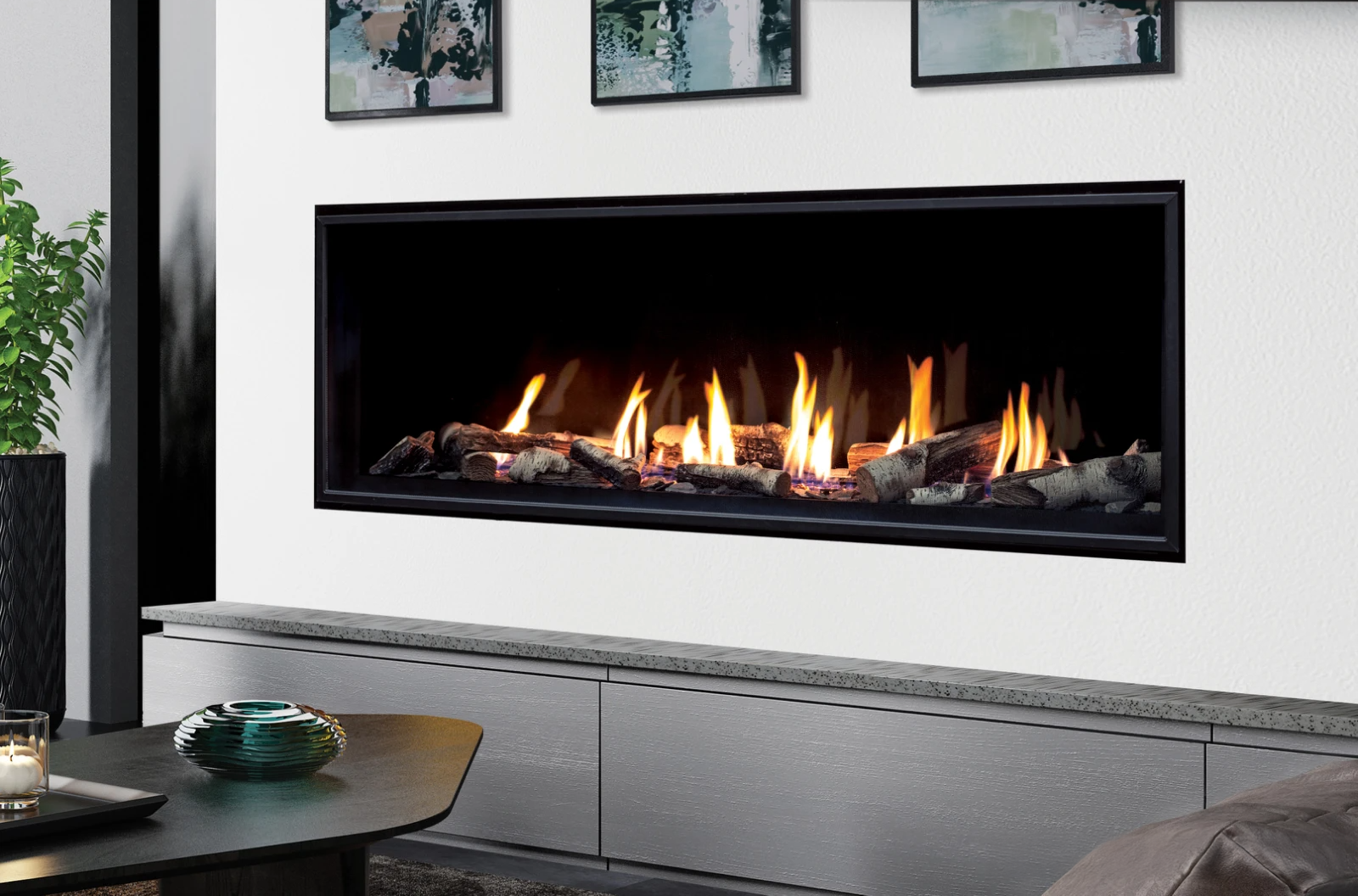
Modern gas fireplaces do a convincing job with flames and ember beds. Ceramic logs still lead the way, although glass media and ceramic stones suit minimal rooms. If realism matters, look for multi-burner designs with varied port sizes and logs that cross so flames lick and wrap, not just rise in a straight column. A few manufacturers offer ember glowing kits and backlighting that can be turned down to a whisper for late evenings.
There are trade-offs. Gas fireplaces need venting routes and clearances that may collide with floor joists or windows, and they require a gas line sized correctly. On older homes, gas supply regulators are sometimes undersized after decades of additions. In my field notes, the fastest schedule killers have been vent path conflicts and pressure drops on long gas runs. A pre-install west inspection chimney sweep or a seasoned installer can map obstructions and confirm gas delivery before you order an appliance. Expect to budget time for permitting and coordination with a licensed plumber.
Electric fireplace inserts step beyond ambiance lighting
Electric fireplace inserts used to be mood lights with a heater. They have matured. Top-tier electric fireplace inserts now combine realistic flame effects with quiet fans and zoned heat that makes sense for shoulder seasons. You will not match the raw BTUs of a serious gas unit, but you gain placement freedom, because they do not require a flue. For apartments, interior rooms, and complex remodels, an electric fireplace insert solves the code maze and simplifies framing.
The best ones use multi-layered flame technology: LED ribbons, mirrored chambers, and caustic generators that refract light like real fire. You can tune color temperature, speed, and ember glow. In a contemporary condo where wall space is tight, a 50 to 74 inch linear electric unit can stretch the room visually without depth-hungry framing.
Plan your electrical circuit. Most units draw 1,200 to 1,500 watts. If you have other heavy loads on the same circuit, consider a dedicated 15 or 20 amp line. Noise matters here. Cheaper models whir like a bathroom fan. Better units suspend the blower and isolate the housing so the sound disappears behind the conversation.
Electric shines for renters and for spaces where venting is a no-go. It also helps with remodels on a strict timeline. You avoid gas rough-in, pressure tests, and vent chase construction. From delivery to flame-on, an experienced installer can complete many projects in a day. Maintenance is light: vacuum dust, occasionally replace a light module after years of use, and keep the intake vents clear.
Wood still has its place, but design has shifted
If you grew up with a radiant masonry fireplace, nothing else smells or sounds the same. That said, open wood-burning fireplaces are inefficient, and in many regions they face usage restrictions on poor air quality days. The design trend is to let wood work where it excels: high-efficiency wood inserts or wood stoves with glass doors that seal tight. These units reach efficiency ratings that actually heat a home zone while meeting strict emissions standards.
A wood-burning fireplace insert in a masonry fireplace does double duty. It preserves the hearth your home already knows while harnessing heat into the room, rather than sending it up the flue. You will need a stainless steel liner sized to the appliance, a block-off plate at the damper, and insulation where required by code and climate. When a chimney has offsets or a tight throat, a flexible liner pays for itself in labor time and installer sanity.
Aesthetic trends favor cleaner surrounds with natural materials: limewash over old brick, honed soapstone, rift-sawn oak mantels. The heavy raised hearth is giving way to flush or low hearths that keep sight lines open. If you store wood indoors, do it honestly. Built-in niches handle a day’s worth of splits and look better than bags stacked in a corner.
Venting and clearances drive the layout
The most beautiful fireplace fails if the venting is compromised. Gas and wood push hot exhaust that needs a smooth, code-compliant path. A direct-vent gas fireplace can run horizontally to an exterior wall or vertically through the roof, but elbows add resistance and reduce allowable run length. Each manufacturer publishes tables that translate elbows and run length into vent equivalency. Ignore those at your peril. I have seen projects held up because a designer assumed a 35 foot run would work, then learned the model allows only 20 feet equivalent with two 90-degree turns.
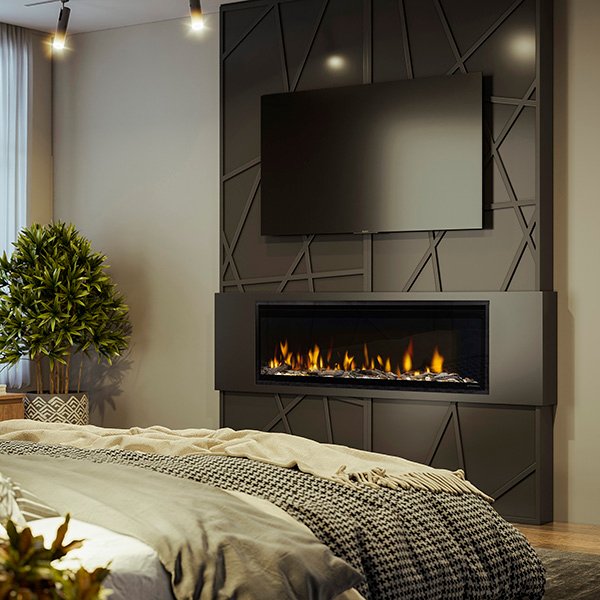
Electric units dodge those rules, but you still need to honor clearances to combustibles. Wall-hung linear electric units often specify a minimum distance to televisions and mantels. Heat deflectors help protect a TV if you insist on stacking it above a gas fireplace. Better yet, separate them. The most comfortable rooms place the TV off to the side and let the fire anchor a seating group with good sight lines.
If your home has an existing chimney, do not assume it is ready. Years of creosote, mortar decay, and animal nests can create unsafe conditions. Before a fireplace installation, schedule a level two chimney inspection, ideally with a camera and written report. A reputable chimney cleaning service can sweep, then document internal defects such as cracked tiles, missing mortar, and voids that leak into framing cavities. I have seen beautifully remodeled living rooms ruined by smoke stains two weeks after move-in because no one scoped the flue.
Finishes that frame the fire
Finish trends have moved toward restraint, but restraint requires precision. Thin stone slabs, metal reveals, and flush baseboards around a firebox show every deviation. Framers must hold tolerances to the eighth inch around the rough opening so the surround fits clean. A good installer will template for slabs after the firebox is set and fired, not before, to avoid heat-induced movement ruining a perfect joint.
Common finish strategies include vertical ribbed stone, large-format porcelain that mimics limestone, or simple painted drywall with an inset metal picture frame. Rustic still works, but it has become more curated: hand-troweled plaster, reclaimed beams planed smooth, and darkened steel that reads as furniture rather than farm equipment. If you want a floating hearth, structure it. Stone weighs more than it looks, and steel brackets welded to wall studs beat toggle bolts every time.
Lighting matters more than most people budget for. Wall washers from the ceiling soften plaster. A small LED strip inside a niche makes stacked wood glow. Keep dimming flexible. Firelight begs for low background levels, not bright task light.
Heat output, zoning, and real comfort
Heat from a fireplace is not just about BTUs. It is about how that heat moves through a room. Gas fireplaces are often zoned for spaces up to 1,000 to 1,500 square feet, but glass size and burner design affect perceived warmth. If your room has a big volume with a vaulted ceiling, heat collects aloft. A ceiling fan on low, reverse setting pushes warmth back into the occupied zone.
Electric fireplace inserts provide supplemental heat, ideal for evenings when you do not want to fire the main furnace. They operate like a space heater with better distribution. Do not expect them to carry a drafty great room in January, but expect them to make the sofa area comfortable without cooking the kitchen.
Wood inserts give sustained heat once the mass is warmed. If you plan to heat daily, choose a unit with a firebox large enough to carry an overnight burn, and verify that your chimney height and liner diameter match the manufacturer’s draft requirements. Undersized flues lead to smoke roll-out and poor performance, even with the best appliance.
Smart controls and safety systems
Technology has improved daily use. Many gas fireplaces tie into thermostats and home automation, with flame-height presets and timed shutdowns. Battery backups keep ignition working in a power outage, a quiet benefit during winter storms. Look for cool-touch glass options if you have young children, though most are add-ons that slightly reduce radiant output.
Carbon monoxide and smoke detection is non-negotiable. Hard-wire combination detectors and place one within hearing range of sleeping areas and another near the living space with the fire. Annual service matters too. Gas fireplaces should be inspected and cleaned: burners vacuumed, orifices checked, gaskets inspected, and vent connections verified. For wood, schedule chimney inspections at least once a year, more often if you burn daily. An experienced west inspection chimney sweep or similar professional will spot early signs of trouble, from warped baffles to glazed creosote that needs special treatment.
Retrofitting an existing fireplace
Converting a drafty masonry box into an efficient hearth is where fireplace inserts shine. A gas fireplace insert makes the biggest difference in convenience and comfort. Installers run a small-diameter co-linear vent system up the existing chimney: one tube draws outside air down, the other vents exhaust up. The old damper gets locked open or removed, and a blanking plate seals the throat. A surround panel covers the original opening, giving a clean finish. The result feels like a custom gas fireplace, with almost none of the heat loss.
A wood-burning fireplace insert requires a stainless liner, often insulated, plus a new block-off plate and trim panels. The draft improves dramatically over a raw masonry flue, and the glass door turns a heat thief into a heat engine. You still get the crackle and ritual, without the room cooling off once the flames die.
If the old chimney is unsafe or too short, an electric fireplace insert inside the existing opening can deliver the look without structural work. Fabricators can make a custom steel frame to hold the electric unit, and you can choose logs or glass media to match the house’s era.
Budgeting and timelines
A realistic budget keeps the process calm. For a direct-vent gas fireplace with a modest surround, installed in a typical living room, most homeowners land somewhere between mid four figures and the low teens, depending on framing complexity, gas line length, and finish materials. Gas fireplace inserts, because they piggyback on existing masonry, often cost less than new construction installs, though vent liners and surround panels add up.
Electric fireplace inserts cost less to install. The appliance price varies with size and realism, but rough carpentry and electrical work are straightforward. Many projects close in a day or two with minimal patching.
Wood inserts fall in the middle. The appliance cost plus stainless liner and insulation, plus a chimney cap and professional installation, usually places the project below a high-end gas build but above most electric solutions. Add budget for a chimney cleaning service and repairs flagged during inspection.
Timelines depend mostly on permitting and lead times. Gas units with custom trims or special finishes can take several weeks to arrive. Venting parts are common, but stone slabs and fabrications introduce their own schedules. If a project needs to be ready for a holiday, plan backwards and choose in-stock materials.
Environmental and code considerations
Local codes are as important as style boards. Some municipalities restrict new wood-burning installations or require EPA-rated appliances. Multi-family buildings often ban gas lines to certain floors, and some condo associations limit exterior wall penetrations. Verify that a gas fireplace vent termination location meets distance rules from doors, windows, and soffit vents. Roof terminations need clearance above the roof plane, especially with high snow loads.
If you are reducing a home’s overall carbon profile, electric units paired with a clean grid or rooftop solar are the easiest path. Gas is efficient at the appliance level, but it is still fossil fuel. Wood becomes defensible when burned in high-efficiency, low-emission appliances, using seasoned hardwood with moisture content around 15 to 20 percent. Wet wood smokes, underperforms, and dirties the chimney faster.
Details that separate good from great
Small decisions accumulate into a fireplace that feels intentional. Center the firebox in the furniture plan, not just the wall. Align mantel thickness with the scale of the surround. Keep the hearth height friendlier than you think; 12 to 16 inches works for sitting and serving without dominating the room. If art will hang above the fire, add a shallow recess or a slightly proud mantel to shield it from heat. Run a dedicated conduit for low-voltage wiring if you expect to add lighting or sensors later.
Sound transmission through a vent chase surprises people in multi-story homes. Insulate the chase, and seal penetrations with the right high-temperature materials. For gas fireplaces with blower kits, locate the speed control within reach. No one wants to cross the room to calm a fan when conversation starts.
Plan for service access. A removable lower panel on a custom surround saves hours when a technician needs to reach a gas valve or control module. Label shutoff valves and breakers. Keep the installation manual in a folder near the unit. These little steps pay off on a cold night when something needs attention.
When to bring in specialists
A seasoned installer earns their fee on the first site visit. They catch structural conflicts, map venting routes, and guide models that fit the constraints of the house. For existing chimneys, I always advise scheduling chimney inspections before committing to a specific insert. If the flue is damaged, you may need a liner that changes the appliance size or the surround dimensions.
If your project involves an older home, a preservation-minded mason can repoint a chimney correctly and match historic brick. If you are running gas through a tight crawlspace, a licensed plumber with experience in larger homes will size the line correctly and sequence pressure tests with the inspector. Where local expertise matters, ask for references by name, not just company. The difference between a smooth installation and a month of call-backs usually comes down to who touched the job.
Maintenance that keeps beauty working
Every fireplace demands some care. Gas fireplaces benefit from annual service: clean the pilot assembly, clear the burner ports, check gasket integrity, verify the vent joints, and test the carbon monoxide levels around the enclosure while the unit runs. Most techs take 45 to 90 minutes. Schedule before peak season, when appointment books fill fast.
For wood, the rule of thumb is to sweep after each cord, or at least once a season. If you notice a sharp, shiny glaze inside the flue, that is Stage 3 creosote. It needs specialized treatment. Do not ignore a smoke smell on humid days. That often signals creosote deposits and negative pressure pulling odors into the house. A qualified chimney cleaning service will also examine the crown, cap, and flashing where leaks start.
Electric units are easier. Dust the intake and output, check that cord strain relief is intact, and keep the remote batteries fresh. If a flame effect fails, most manufacturers design quick-swap light cartridges. Keep the model and serial number handy.
Choosing what belongs in your home
If you want signature ambiance with minimal disruption, a linear gas fireplace installed on an interior wall with a direct-vent run to the roof often balances looks and performance. If you are retrofitting a cold, drafty masonry fireplace, a gas fireplace insert brings comfort and lower energy bills with quick payback. If venting or gas access is a headache, an electric fireplace insert yields impressive visual warmth and a practical boost in heat on chilly evenings. If your heart is set on wood and local rules allow it, a high-efficiency wood fireplace insert or a modern stove will deliver the ritual without the inefficiency of an open hearth.
The shared thread across all of these is discipline. Measure carefully, verify venting early, work with a pro who can coordinate trades, and invest in maintenance. Add the details that make living with the fire effortless: a switch at the right height, a mantel that protects finishes, a https://www.safehomefireplace.ca/fireplaces/ surround that belongs to the house rather than to a catalog.
Fire rewards the thoughtful. Get the design right, respect the mechanics, and the fireplace will not only warm the room, it will quietly set the tone for the way you gather there.